
Retiring before 65: what health insurance costs in the gap, and why 2026 is worse
COBRA, the ACA marketplace or an HSA until Medicare at 65. Why the 400 percent subsidy cliff is back in 2026, and the HSA rule that catches people at 65.
Honest, practical guides for building routines and trackers you actually keep, plus the offline planners and free tools that make them stick.
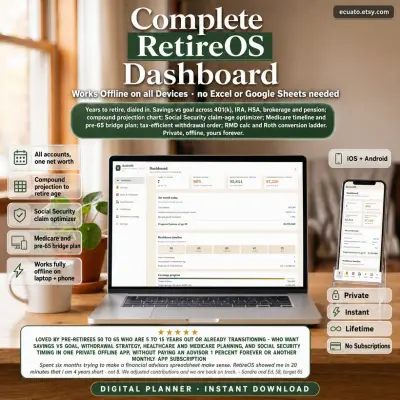
COBRA, the ACA marketplace or an HSA until Medicare at 65. Why the 400 percent subsidy cliff is back in 2026, and the HSA rule that catches people at 65.
Claiming at 62 pays 70 percent, at 70 it pays 124 percent. The three break-even ages, why withheld benefits are not lost, and the survivor benefit nobody mentions.

What to record in an endometriosis symptom diary so a ten minute appointment goes somewhere: cycle day, pain map, medication that worked, and what it cost you.
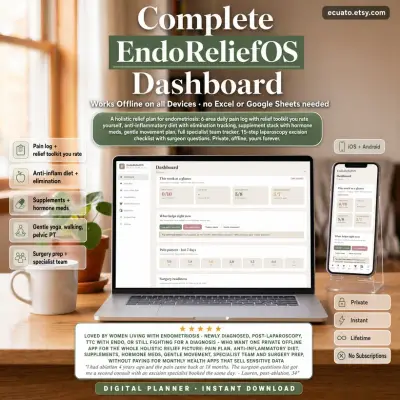
Stage 1 to stage 4 endometriosis explained: what the rASRM score counts, why it does not predict pain, and what to track when you have no stage at all.

Denial, anger, bargaining, depression, acceptance. Where the five stages came from, what researchers found when they tested the order, and the model that fits real grief better.
Forty grief journal prompts sorted by what you have the capacity for today, plus the honest evidence on whether writing about a loss helps and when it makes things worse.

A case brief in five parts: Facts, Issue, Rule, Analysis, Conclusion. What each part is for, what to leave out, and why your briefs should get shorter as the semester goes on.
Start outlining when a topic closes, not on a date. How to build a course outline by elements, keep it from rotting, and cut it down to an attack outline before the exam.

Zone 2 is the effort you can hold while talking in full sentences, roughly 60 to 70 percent of max heart rate. What it trains, how much you need a week, and why going harder makes it worse.
Zone 2 heart rate by age, with a table from 20 to 75. Why the 220 minus age formula is only a starting point, and the three better ways to find your real zone 2 range.

The luteal phase is the second half of your cycle, from ovulation to your next period. Here is its typical length, why it is stable, and what short means.
The signs of ovulation include egg-white cervical mucus, a positive OPK, a temperature rise, and ovulation pain, plus which ones predict versus confirm it.
When do you ovulate? Usually about 12 to 16 days before your next period, not always day 14, and here is how the timing shifts with your cycle length.

Classroom management systems that work: build routines and procedures, teach them early, track behavior patterns, and loop in parents with a contact log.

Early signs of pregnancy: missed period, fatigue, nausea, tender breasts, and frequent urination, roughly when they appear, and when a test is reliable.
How is my due date calculated: Naegele's rule adds 280 days to your last period. Here is the full math, the 28-day-cycle assumption, and why it shifts.

A normal menstrual cycle length is usually 21 to 35 days, with a period of 2 to 7 days. Here is what counts as irregular and when to see a clinician.
How many weeks pregnant am I: weeks are counted from your last period, so you are already 2 weeks along at conception, plus how weeks map to trimesters.
How much weight should you gain in pregnancy? See the IOM pregnancy weight gain ranges by BMI for underweight, normal, overweight and obese bodies.
How to calculate my next period: add your average cycle length to the first day of your last period, plus why tracking a few cycles makes it accurate.
How to set up a teacher planner for the year: class lists, seating, gradebook categories, a repeatable weekly lesson block, and a parent contact log.
Lesson planning that saves time: reusable weekly templates, backward design basics, batching a full week at once, and reusing units year to year.
The menstrual cycle phases explained: what happens hormonally in the menstrual, follicular, ovulatory, and luteal phases, plus their rough timing.
Pregnancy weight gain week by week: the typical trimester pattern, what the weight is made up of, and why little is gained in the first trimester.
Teacher gradebook organization: set up categories and weights, track mastery vs points, keep records defensible, and prep early for report cards.
The two week wait explained: the ~14 days from ovulation to a reliable test, why early tests give false negatives as hCG rises, and how to cope with it.
Twin pregnancy weight gain calculator explained: the IOM ranges for multiples by BMI, why twins need more, and why your OB sets your individual target.
Why is my period late? Common non-pregnancy reasons include stress, weight change, exercise, travel, illness, perimenopause, PCOS, and contraception changes.

The 50 30 20 rule splits take-home pay into needs, wants and savings. Here is how it works, the three situations where it fails, and what to use instead.

A1C vs daily glucose: what each one measures, why the two can disagree, and why your doctor wants to see both the three-month average and the daily pattern.

What to log for ADHD medication tracking so your next appointment is useful: timing, effect window, appetite, sleep, and side effects. No dosages needed.

The ADHD mom mental load is invisible work held in a brain not built to store it. How to externalize it into one capture point, one calendar, one shared list.
Why a standard ADHD morning routine collapses after two days, and how to build one with fewer decisions, external time, and a floor you can hit on a bad day.
ADHD task paralysis is a starting problem, not a laziness problem. Concrete unsticking moves: a two-minute entry, shrinking the first step, and body doubling.
ADHD time blindness is not bad time management. Here is what it is, plus analog timers, time anchoring, and buffer math that put time outside your head.
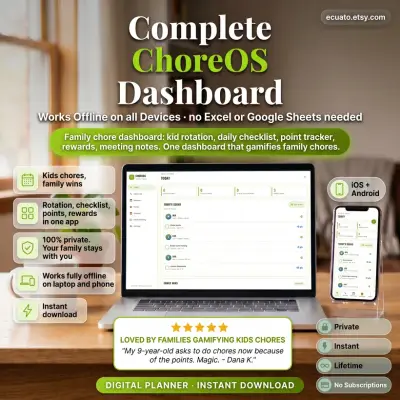
Age-appropriate chores by age, from toddlers to teens, with concrete examples for every band and a simple rule for handing a chore over so it truly sticks.
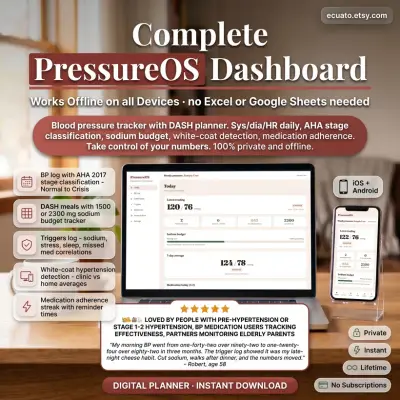
How to keep a blood pressure log for your doctor: correct home technique, resting first, cuff at heart height, same time daily, and averaging over days.
What to put in a blood sugar log so it is actually useful at your next appointment: reading, timing, food, sleep, stress, movement, and medication timing.

A 15-minute busy mom daily reset: the three anchors that decide how tomorrow starts, what to skip, and why a reset beats a routine on unpredictable days.
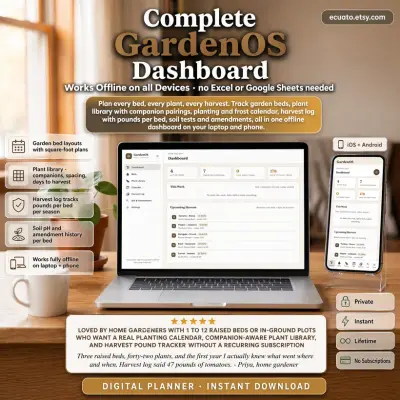
An honest companion planting chart: the classic pairings, what to keep apart, and a straight answer on which ones have real evidence and which are folklore.
Do period apps sell your data? A calm, factual look at how free trackers make money, what data sharing really means, and how to read a privacy policy.

How to build a dog medication schedule you can actually keep: timing anchors, with-food rules, a missed-dose plan from your vet, refills, and a real log.
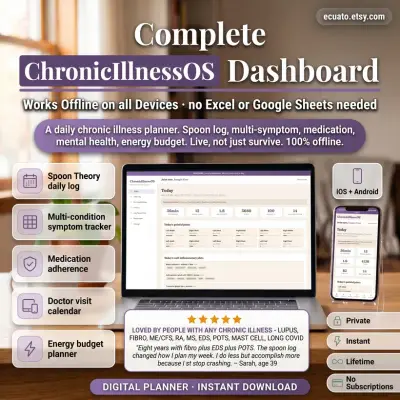
Energy envelope pacing explained: what the envelope is, why overshooting costs more than it gains, and how to track energy in and out without endless logging.
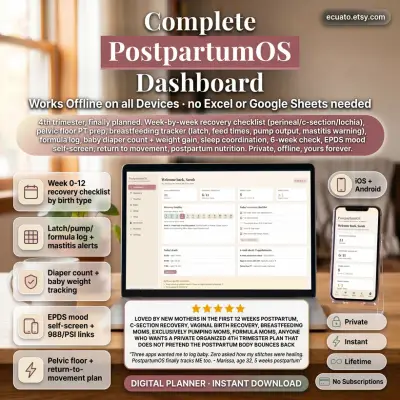
What the fourth trimester actually demands - healing, feeding, broken sleep, visitors, mood - and a 12-week plan built for when almost nothing goes to plan.
Garden planning by zone, done right: what a USDA hardiness zone really measures, why frost dates set your sowing calendar instead, and how to use both.

How long does caffeine last? Learn caffeine's half-life, why an afternoon coffee still disturbs your sleep, and what makes it clear faster or slower.
How much sleep do I need? See the recommended hours by age from newborns to older adults, why it is a range, and how to find your own best number.

How to keep a symptom diary: what to record daily, which rating scale to use, how to spot patterns over weeks, and how to prepare for a doctor visit.

How to make a cleaning schedule that works: sort tasks into daily, weekly, monthly, and seasonal, rotate rooms by zone, and set realistic time budgets.

How to set a realistic goal weight: use your healthy BMI range and ideal-weight formulas as rough guides, weigh body composition, then lose it slowly.
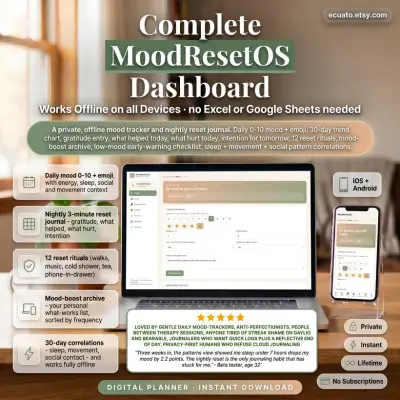
How to track your mood the useful way: what to log (mood, triggers, sleep, energy), when to log it, and how to read weeks of entries as a real trend.
How to track your period privately: what to log, the simple cycle-length math, and three ways to keep the record on your own device and off the cloud.
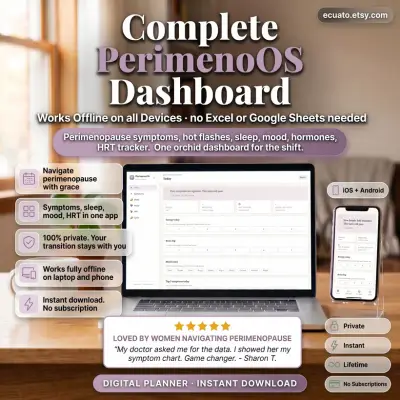
How to keep an HRT log: the dates, symptom changes, side effects and timing worth recording so your prescriber has evidence at your follow-up appointment.
Insulin resistance explained in plain language: what happens in your cells, what doctors commonly measure, and why logging daily context reveals the pattern.
Macros for weight loss made simple: what protein, carbs, and fat do, how to set a split that fits your calories, and why protein comes first for fat loss.
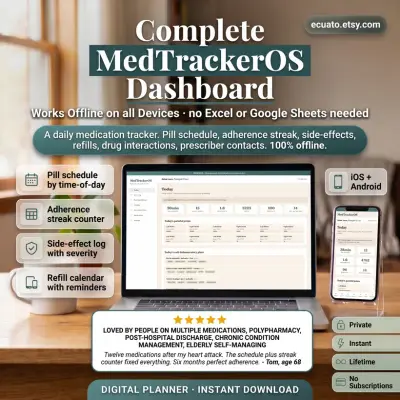
What a good medication log records: names, doses, schedules, missed days and side effects, and why an honest adherence record helps your prescriber decide.
Menopause night sweats explained: why sleep falls apart in this stage, what to log to find your own triggers, and practical comfort steps that help tonight.
The mental load of motherhood is noticing, deciding, remembering, delegating. Why it exhausts you when nothing happened, and how to externalize it for real.
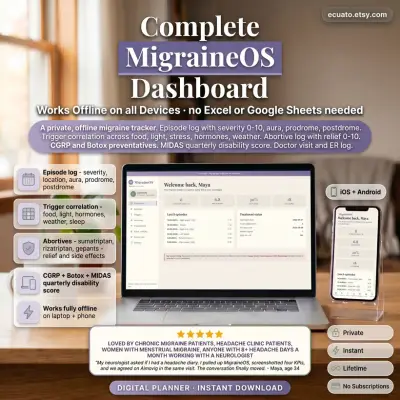
What a headache clinic actually uses from a migraine diary: monthly headache days, medication days, severity, aura, disability impact. What to bring, and why.
Migraine triggers usually stack, act on a delay, and are confused with early attack symptoms. Why trigger hunting fails, and how to log to find real patterns.
Mood tracking for therapy: how to trade 'it was a bad week' for concrete examples, what a therapist does with patterns, and how to share it privately.

What new parents track in a newborn's first weeks: feeds, diapers, sleep, and weight-check visits, why the patterns matter, and when to call the doctor.
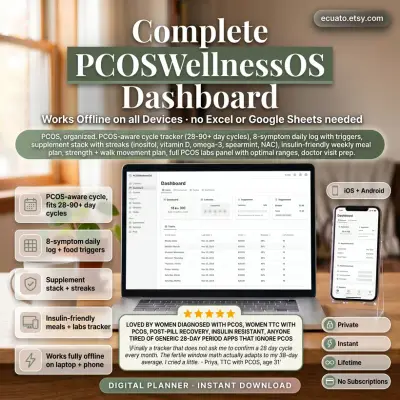
PCOS symptom tracking, explained: what to log, why cycles and labs matter, and how a dated record turns a short doctor visit into a real conversation.
Perimenopause symptoms tracking, explained: what perimenopause is, the full range of symptoms, and exactly what to log so your doctor visit is productive.
A raised bed garden plan that works: how to size and space your beds, calculate soil volume and cost, and lay out a first year that will not overwhelm you.
Build a seed starting schedule that fits your garden: how to count backwards from your last frost date, a weeks-before-frost chart, and a full worked example.
A senior dog health checklist: when dogs become senior by size, the six changes to watch month to month, and exactly what to bring to your next vet visit.
Sinking funds turn surprise bills into a monthly line: name your irregular costs, divide the yearly total by twelve, and fund them. With example categories.
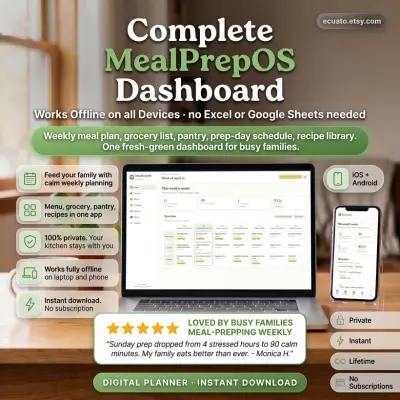
Weekly meal planning for beginners: a four-step system with theme nights, pantry-first shopping, a grocery list built from your plan, and batched prep.
What is a healthy BMI? The healthy adult range is 18.5 to 24.9. Here are the full categories, plus why BMI is a rough screening tool and not a diagnosis.
What is sleep debt? Learn how missed hours add up, whether weekend catch-up sleep can fully repay it, and what chronic short sleep really does to you.
Zero-based budget explained: give every dollar a job before the month starts. A worked example with round numbers, and the irregular costs that break it.
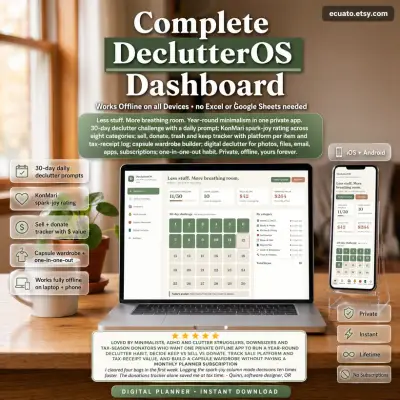
A 30-day declutter plan you can actually finish: 15 to 30 minutes a day, a room-by-room order, a keep-donate-toss rule, and a habit that keeps it clear.
How to start a capsule wardrobe from clothes you already own: what it is, how many pieces you need, picking a base palette, and filling only the real gaps.

Co-parenting communication that stays calm: treat it as a business partnership, use the BIFF reply method, keep a neutral log, and write for a third reader.
The common custody schedules compared: 2-2-3, 2-2-5-5, alternating weeks, and every-other-weekend. How each works and which fits different ages and situations.
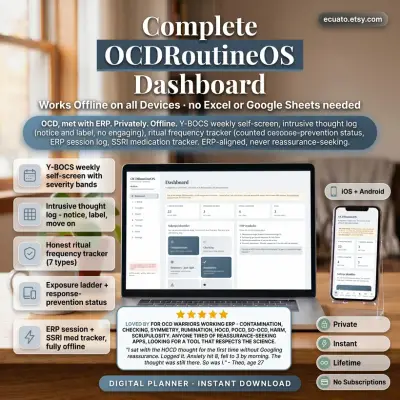
How to build a daily structure with OCD: predictable anchors, a good-enough mindset, and habits that support ERP therapy instead of becoming rituals.
How to track donations for taxes while you declutter: what to log per bag, how to set fair market value, which receipts you need, and when itemizing pays off.
How to build an ERP-friendly daily routine for OCD: make room for planned exposures, keep moving so you do not get stuck in compulsions, and handle setbacks.

How to track homeschool attendance and required days: find your state's number of instruction days or hours, what counts as a day, and how to log it live.
A simple homeschool record keeping system: what to keep, how to log it continuously, and how good records make reporting, evaluations and transcripts painless.
How to make a homeschool transcript for college: list courses by year, assign credits, record grades, calculate GPA on the 4.0 scale, and format it credibly.
How to organize your homeschool year: map your curriculum and weekly rhythm, then keep three records as you go: attendance, grades, and a portfolio of work.
KonMari vs minimalism compared: how each decides what to keep, where they agree and differ, and how to pick the philosophy that fits how you actually live.
How to split shared expenses when co-parenting: agree what counts and the split, log every cost the day it happens, track who owes whom, and settle regularly.
How to track intrusive thoughts without feeding OCD: log the situation, theme and your response, skip the content and reassurance, and show your therapist.
A back to school setup checklist for teachers: build your schedule, load class lists, set up your gradebook, draft units, and start the term organized.
How caffeine affects sleep, why its long half-life means an afternoon coffee still bothers your night, and how to find your personal caffeine cutoff time.

The debt snowball method explained with a real example: pay the smallest balance first, roll each cleared payment onto the next, and build unstoppable momentum.
Debt snowball vs avalanche: the snowball clears small balances first for momentum, the avalanche saves the most interest. How to pick the one you will finish.
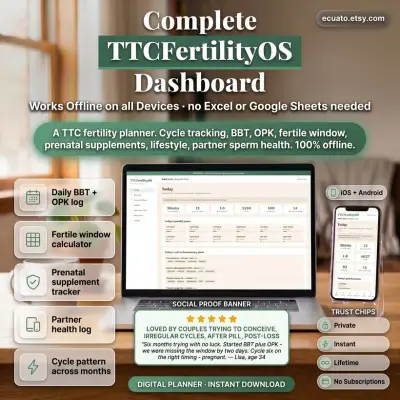
What the fertile window is, why it lasts about six days, and how to find your best days to conceive from your cycle length so you can time it with confidence.
How to find extra money to pay off debt without living on beans: cut a few big-leak categories, add temporary income, and send every windfall to your debt.
How keeping your gradebook and parent communication log together saves teachers time, protects them in tricky conversations, and makes conferences painless.

How to find your calorie target for weight loss: work out your maintenance calories, set a sensible deficit, and track it so the scale actually moves.
How to chart BBT to confirm ovulation: how to take your temperature, spotting the sustained post-ovulation shift, and reading your pattern over a few cycles.
A practical plan to fix your sleep schedule: anchor your wake time, time your bedtime to sleep cycles, cut caffeine early, and build a wind-down that works.
How to make a debt payoff plan in five steps: total your debts, set a debt-free date, pick snowball or avalanche, keep a buffer, and track every payment.
A clear, beginner-proof plan to pay off debt for good: list every balance, pick snowball or avalanche, free up cash, and track every payment to the finish.
A practical guide to tracking a calorie deficit for weight loss: set your target, log honestly, weigh trends not days, and adjust when the scale stops moving.
Trying to conceive with irregular periods? Why calendar timing is harder, which signals to trust instead, and when to see a doctor about irregular cycles.
A calmer way to plan lessons: build a weekly template, batch your prep, reuse and improve units, and stop starting from a blank page every single day.

A 12-hour shift system for nurses: plan your schedule and OT, run a brain sheet and SBAR handoff, stay ahead of certs and CEUs, and protect sleep and meals.
What a nurse brain sheet is, what to put on it, and how to build a report sheet for med-surg, ICU, or any unit so you stay organized through a 12-hour shift.
How to keep nursing certifications and CEUs current: list every expiry date, set 90/60/30-day reminders, and log CEU hours as you earn them toward renewal.
OPKs vs BBT vs cervical mucus: OPKs predict ovulation for timing, BBT confirms it happened, and mucus flags fertile days. How to combine at least two of them.
Why protein is the most important macro for weight loss, how much you need per day, and simple ways to hit your target so you lose fat while keeping muscle.
What SBAR stands for, how to use it for a nursing handoff or physician call, and a simple example you can copy so nothing important gets lost at report.
How 90-minute sleep cycles work and why waking at the end of one feels easier. Learn to time your bedtime or alarm so you stop waking up groggy.
Surviving night shift as a nurse: how to protect daytime sleep, time your caffeine, eat lighter meals that keep you alert, and limit the health toll.
A teacher planning system that saves your Sundays: one place for lesson plans, schedule, rosters, grades and parent contacts, run on a weekly rhythm.
A clear guide to trying to conceive: how to find your fertile window, time intercourse, confirm ovulation with BBT and OPKs, and know when to see a doctor.
Practical, evidence-informed ways to ease insomnia: consistent timing, stimulus control, winding down, cutting caffeine and alcohol, and when to see a doctor.
What is TDEE? Total Daily Energy Expenditure is the calories you burn daily: how BMR and activity make it, and how to eat at, below or above it for your goal.
Why is my weight loss stalling? Five real causes: water weight, underlogged food, a deficit that shrank as you got lighter, lost muscle, and plain impatience.
How to run co-parenting logistics without the fights: a shared custody calendar, an honest expense log, and handoff notes that keep both homes in sync.